 Step by Step Guide
 How to save fuel while driving without changing cars
Seven practical habits that reduce fuel use: smoother inputs, steady speed, correct tire pressure, less weight, sensible climate control, timely maintenance, and better routes.
Updated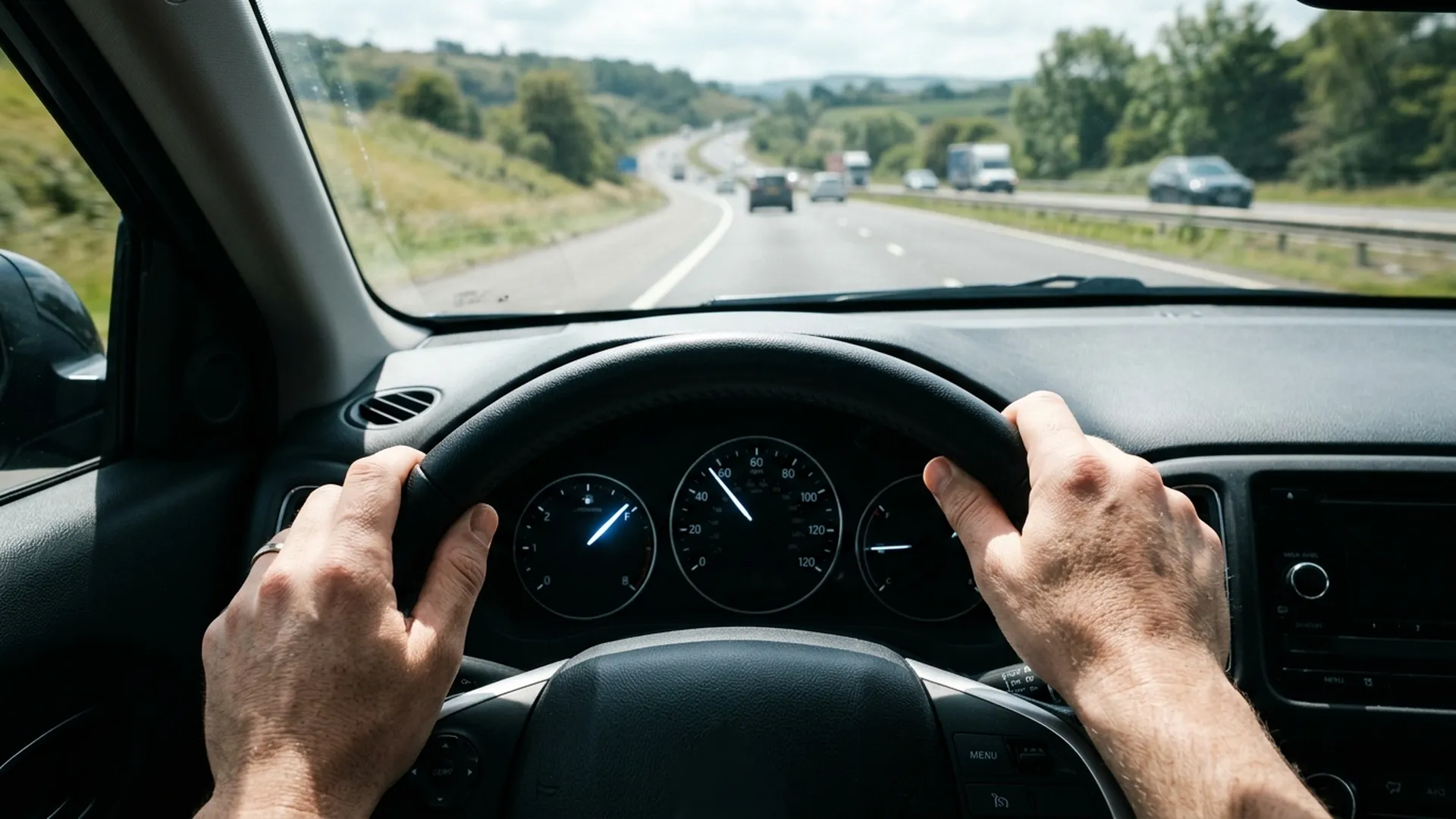
Saving money at the pump does not require a special additive or a different car. In everyday driving, fuel use is shaped mainly by how often you demand acceleration, how much speed the car has to push through the air, and how easily its tires and mechanical parts roll. Small improvements in those areas reinforce one another.
This guide applies to gasoline, diesel, flexible-fuel, and hybrid cars. It does not promise a fixed percentage because traffic, weather, terrain, load, and engine design all change the result. Instead, it gives you repeatable habits and a way to measure whether they work on your normal routes.
Safety comes before savings. Keep up with traffic, leave a safe following distance, and never coast in neutral or switch off the engine while moving. Efficient driving means planning farther ahead, not creating a hazard for yourself or anyone else.
Accelerate and slow down smoothly
Fuel becomes motion. When you accelerate hard toward a red light and brake a few seconds later, the brakes turn that recently purchased motion into heat. The most useful change is therefore not crawling away from every stop; it is avoiding unnecessary bursts of speed.
Press the accelerator progressively and let the transmission move through its gears without forcing a kickdown. In a manual car, shift early enough to avoid needless high revs, but not so early that the engine shakes or struggles. Downshift when a hill or passing maneuver actually requires more power.
Look beyond the vehicle directly ahead. If traffic is bunching up or a light has changed, ease off early while staying in gear. The car loses speed gradually, you preserve space, and you may avoid coming to a complete stop. Smooth braking also makes your intentions easier for following drivers to read.
Hold an appropriate, steady speed
At road speeds, the car spends substantial energy pushing air aside. The faster it travels, the more strongly aerodynamic drag resists it. Choosing a moderate speed within the legal limit can make a noticeable difference over a long trip, especially compared with repeated high-speed bursts.
Consistency matters too. Surging and backing off over and over uses more fuel than maintaining the same average pace. Cruise control can help on a clear, level highway. On rolling terrain, it may demand heavy throttle to hold an exact number uphill, so gentle manual control can be more efficient.
Do not trade safety for a perfectly flat speed trace. Accelerate decisively when a safe merge requires it, and create room before passing. The goal is to remove impatience from routine driving, not to hesitate when traffic conditions demand a clear response.
Check tire pressure when the tires are cold
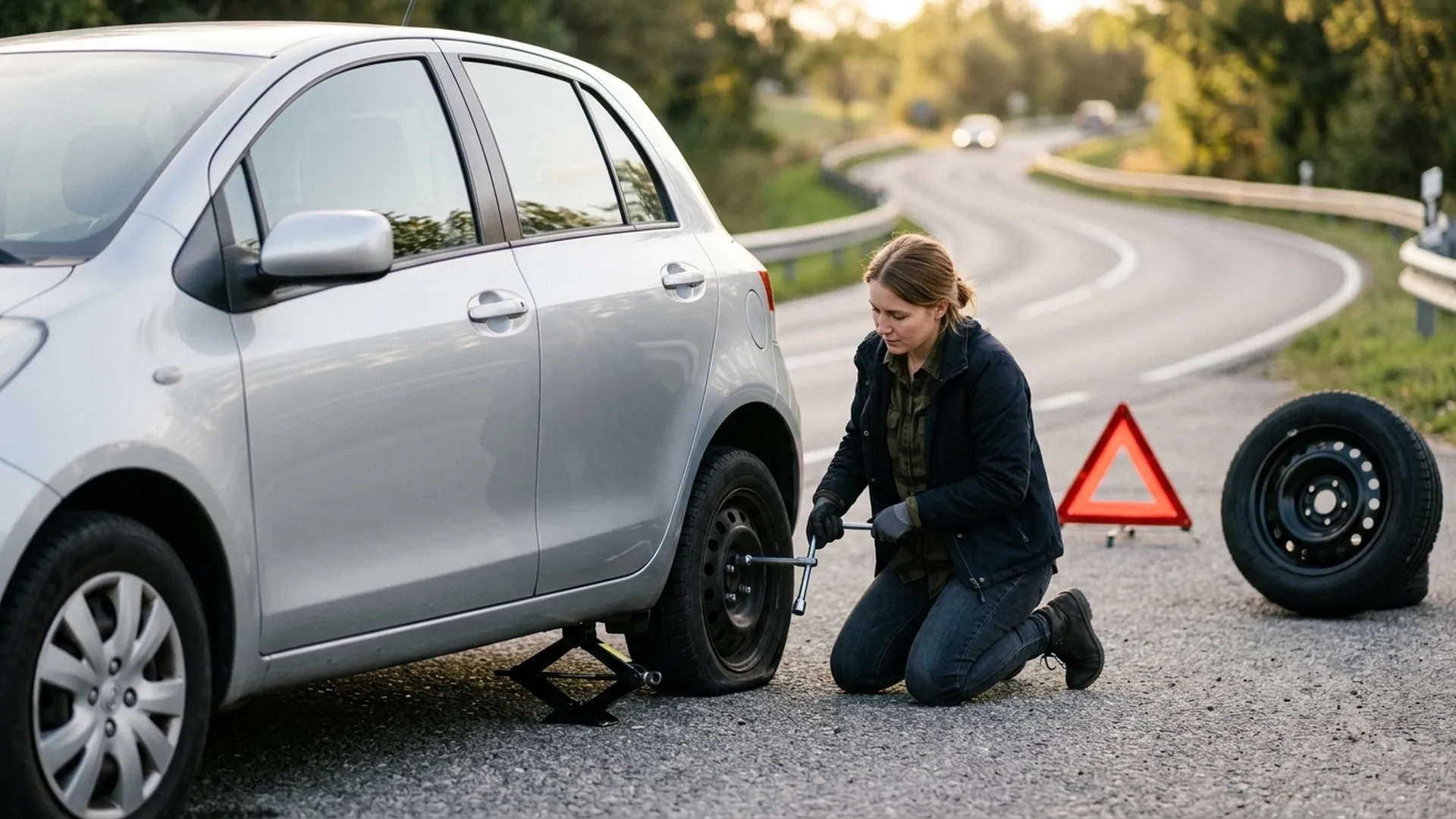
An underinflated tire flexes more and creates extra rolling resistance, so the engine must work harder to maintain speed. Check all four tires at least monthly and before a long trip. If a tire repeatedly loses pressure, have the leak investigated instead of continually topping it up.
Use the cold-pressure specification on the driver’s door jamb, fuel door, or owner’s manual. The number molded into the tire sidewall is not the routine setting; it relates to the tire’s limits. “Cold” means the car has been parked for several hours or driven only a short distance at low speed.
While checking pressure, inspect tread and sidewalls. Uneven wear, a persistent pull, or a steering wheel that sits off-center can point to alignment or suspension trouble. Correcting the cause reduces wasted resistance and protects the tires you already own.
Remove unused weight and roof equipment
Every extra item must be accelerated whenever the car leaves a stop. One light object makes little difference, but a trunk that permanently stores boxes, equipment, and old supplies adds a load on every urban trip. Keep emergency gear and anything you truly need; remove the rest.
Roof racks and cargo boxes create a second penalty because they disturb airflow. Even when empty, an accessory left on the roof can add drag and wind noise at highway speed. If the equipment is designed for easy removal and you will not use it for a while, store it properly.
Use air conditioning and open windows thoughtfully
Climate control is not free: the air-conditioning compressor uses energy. Open windows also have a cost because they disrupt airflow, especially at higher speeds. There is no single crossover speed that applies to every body shape and climate, so use a practical rule rather than chasing a precise number.
Around town, ventilation or partly open windows may be comfortable without much aerodynamic penalty. On the highway, closing the windows and using moderate air conditioning is often the calmer, less tiring choice. Set a comfortable temperature instead of forcing maximum cooling for the whole trip.
After the car has been parked in the sun, open the doors or windows briefly before turning the cooling up. Releasing trapped hot air reduces the initial load. Never leave a child, vulnerable adult, or animal in a parked car to save fuel or for any other reason.
Follow the maintenance schedule
A sudden change in fuel use can be an early clue that the car needs attention. Incorrect oil, a neglected air filter, worn ignition parts, a dragging brake, or a faulty sensor can all make the engine use more energy than normal. Warning lights deserve diagnosis, not tape over the dashboard.
Use the fluid specifications and service intervals in the owner’s manual. Replacing parts early “just in case” is not automatically efficient, while delaying required work can create larger problems. If consumption rises, first confirm tire pressure and compare similar routes, loads, and weather before assuming a mechanical fault.
Keep simple records of fueling and service. They help you separate a real trend from one unusual tank and give a technician useful context if the car also runs roughly, smells of fuel, hesitates, or feels held back.
Combine errands and plan a smoother route
Short trips made from a cold start are demanding because the engine and fluids have not reached normal operating temperature. When practical, combine several nearby errands into one loop rather than returning home and restarting for each one. Do not idle to “prepare” the car between stops.
The shortest route is not always the least wasteful. A slightly longer road with steady movement may require less stopping and accelerating than a congested shortcut with a signal on every block. Check traffic before leaving, but set the route while parked and avoid handling the phone while driving.
If your schedule is flexible, traveling outside the busiest period can save time as well as fuel. Plan parking and loading before departure so the engine is not left running during avoidable waits.
Common mistakes
- Racing toward the next stop. Speed gained just before a light or queue is usually discarded through the brakes.
- Warming the car by idling for a long time. Gentle driving normally brings a modern engine to temperature more usefully.
- Checking hot tires and lowering their pressure. Heat raises the reading; use the cold specification and recheck later.
- Judging the result from one fill-up. Pump shutoff, traffic, weather, and trip mix can distort a single tank.
Make the improvement measurable
Record distance and fuel added over several comparable tanks, then review the average after a few weeks. Smoother driving should also bring fewer abrupt stops, less wear, and a quieter trip with nearly the same arrival time.
Frequently asked questions
Does driving slowly always save fuel?
No. Every engine has an efficient operating range, and driving too slowly can force it to work hard in the wrong gear. Smoothness, anticipation, and an appropriate steady speed matter more than simply being slow.
Should I warm up the engine while parked?
Most modern cars do not need a long stationary warm-up. Start the engine, allow a few seconds for fluids to circulate, and drive gently until it reaches normal temperature. Idling longer burns fuel without covering any distance.
Do fuel additives improve mileage?
Do not treat additives as a mileage shortcut. A product may have a specific cleaning purpose, but it cannot compensate for low tire pressure, overdue maintenance, or aggressive driving. Follow the vehicle manufacturer's guidance.
Informational content. For risky situations or technical, legal or medical doubts, talk to a professional.